 My 2026 Conference and Free webinars!
 Dodgeball in PE: Is It Helping or Hurting Student Confidence?
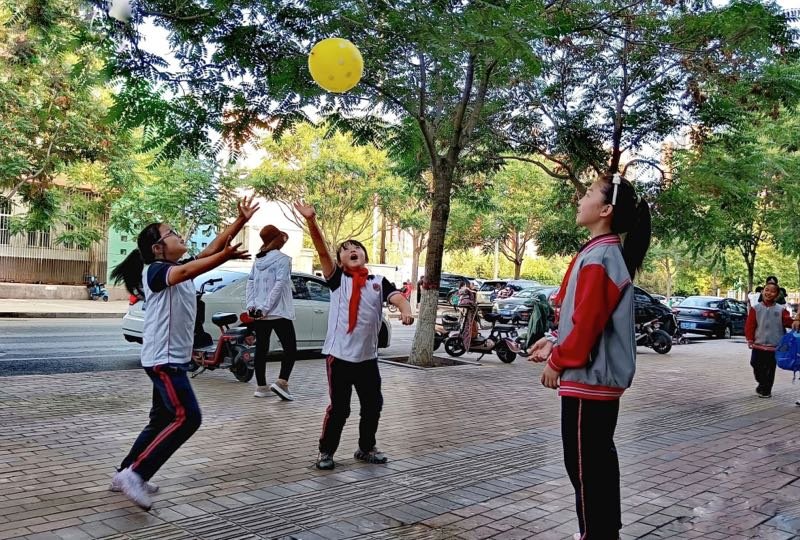
Dodgeball has long been a staple in physical education classes. For many, it brings back memories of excitement, fast-paced action, and competition. But in today’s educational environment—where inclusion, confidence, and student well-being are priorities—many educators are asking an important question:
Is dodgeball helping students grow… or hurting their confidence?
Educators like Carrie Flint emphasize that physical education should create positive, inclusive experiences where every student feels successful. This perspective invites us to take a closer look at whether traditional games like dodgeball align with those goals.
The Appeal of Dodgeball in PE
There’s no denying that dodgeball can be engaging for some students.
It offers:
- Fast-paced movement
- Opportunities for teamwork and strategy
- Development of skills like throwing, dodging, and coordination
For confident and athletic students, dodgeball can be exciting and motivating. It encourages physical activity and can bring high energy into the class.
But engagement alone isn’t enough. The real question is: Who is benefiting—and who is not?
The Confidence Problem: Who Gets Left Out?
One of the biggest concerns with dodgeball is its elimination-based structure.
When students are “out,” they:
- Stop participating
- Become passive observers
- Miss valuable movement time
More importantly, students who are less skilled, less confident, or less physically developed are often the first to be eliminated—and sometimes repeatedly.
Research and educators have noted that dodgeball can:
- Target weaker or less athletic students
- Create feelings of embarrassment or humiliation
- Lead to social exclusion and disengagement
In some cases, students may begin to associate physical education with negative experiences, which can impact their long-term attitude toward physical activity.
Does Dodgeball Promote the Right Values?
Modern Physical Education is about more than just movement—it’s about building:
- Confidence
- Cooperation
- Respect
- Lifelong healthy habits
However, critics argue that dodgeball can sometimes work against these goals.
According to educational research, the structure of dodgeball may:
- Reinforce the dominance of stronger students
- Encourage aggressive behavior
- Undermine inclusion and empathy
Organizations like SHAPE America have even stated that traditional dodgeball does not support a positive school climate or inclusive learning environment.
This raises an important question:
If the goal of PE is to build confident, active learners, does dodgeball truly support that mission?
Carrie Flint’s Approach: Confidence Over Competition
Carrie Flint’s philosophy centers on creating physical education experiences that support the whole child—mind, body, and spirit.
In this approach:
- Every student should feel successful
- Activities should maximize participation
- Lessons should build confidence—not fear
Instead of focusing on elimination and competition, effective PE programs focus on:
- Inclusive activities
- Cooperative games
- Skill-building experiences for all levels
This shift helps ensure that every student leaves class feeling capable—not defeated.
Can Dodgeball Be Modified?
The debate doesn’t always mean eliminating dodgeball entirely—it often means rethinking how it’s used.
Some teachers adapt the game by:
- Removing elimination (students stay active)
- Using soft equipment to reduce fear
- Changing objectives (e.g., targeting objects instead of people)
- Emphasizing teamwork over winning
These modifications can help align the activity with modern physical education goals.
However, even with changes, educators must ask:
Does this activity truly support every student in the class?
Building Confidence Through Better Choices
To improve student confidence, physical education should focus on:
- Activities where everyone participates continuously
- Tasks that allow for different ability levels
- Games that promote cooperation instead of elimination
- Environments where students feel safe to try and fail
When students feel included and supported, they are more likely to:
- Stay engaged
- Build skills
- Develop a positive relationship with movement
The Bottom Line
Dodgeball is not a simple yes-or-no issue—it’s a reflection of what we value in physical education.
While it may be fun for some, it can also:
- Exclude others
- Lower confidence
- Create negative experiences
Educators like Carrie Flint encourage teachers to think critically about their choices and prioritize activities that build confidence, inclusion, and lifelong engagement in physical activity.
Because at the end of the day, physical education isn’t just about games—it’s about helping every student feel like they belong, can succeed, and want to keep moving for life.