 My 2026 Conference and Free webinars!
 How Physical Education Supports the Mind, Body, and Spirit of Every Child
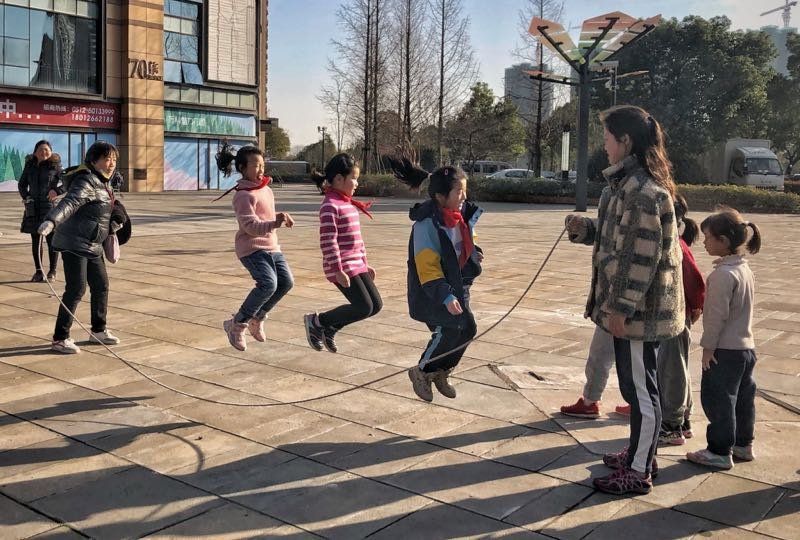
Physical education is often viewed as simply a time for students to run, play, and burn energy. But according to educators like Carrie Flint, quality physical education is much more than that—it is one of the few subjects that truly teaches the whole child.
When schools provide meaningful PE experiences, they are not just improving physical fitness. They are supporting the mind, body, and spirit of every child through movement, confidence-building, social interaction, and emotional growth.
Physical Education Supports the Mind
Research continues to show a strong connection between physical activity and learning. Movement helps students improve:
- Focus and concentration
- Memory and retention
- Problem-solving skills
- Academic performance
Carrie Flint emphasizes that movement has a direct impact on thinking and learning, reinforcing the idea that physical education is an essential part of education, not an extra.
Students who are physically active often return to the classroom more focused and ready to learn. Activities that involve rhythm, coordination, teamwork, and strategy challenge the brain while also supporting cognitive development.
Physical Education also helps students develop a growth mindset by teaching them how to:
- Try new skills
- Learn from mistakes
- Build perseverance
These lessons extend far beyond the gym and into everyday life.
Physical Education Strengthens the Body
One of the most visible benefits of physical education is physical development. PE helps children:
- Build strength and coordination
- Improve balance and motor skills
- Develop healthy fitness habits
- Increase overall physical wellness
Carrie Flint’s teaching philosophy focuses on creating activities where all students can participate successfully, regardless of skill level. Her work emphasizes inclusive movement experiences that encourage lifelong physical activity.
Quality PE programs also help students:
- Develop confidence in movement
- Understand the importance of healthy lifestyles
- Discover activities they genuinely enjoy
When students feel successful physically, they are more likely to stay active throughout their lives.
Physical Education Nurtures the Spirit
The “spirit” of a child includes emotional well-being, confidence, self-esteem, and the feeling of belonging.
Physical Education creates opportunities for students to:
- Work cooperatively with others
- Build friendships
- Experience success
- Develop confidence and resilience
Carrie Flint often speaks about helping students “see themselves as winners” and creating positive experiences that support emotional growth.
For many students, PE is where they:
- Discover a hidden talent
- Feel accepted and included
- Learn teamwork and empathy
- Build positive relationships with peers
These experiences are critical for emotional and social development.
Teaching the Whole Child Through Movement
The idea of “teaching the whole child” means supporting students academically, physically, socially, and emotionally.
Carrie Flint has long advocated for this approach, highlighting that schools cannot truly educate the whole child if they remove opportunities for:
- Physical activity
- Music
- Creativity
- Social interaction
The CDC’s Whole School, Whole Community, Whole Child (WSCC) framework also recognizes Physical Education as a key component in supporting students’ cognitive, physical, and emotional development.
This reinforces the idea that PE is not separate from learning—it is an essential part of helping children become healthy, happy, and successful adults.
Creating Positive PE Experiences for Every Student
One of the most important goals in physical education is ensuring that every student feels included and successful.
Carrie Flint’s work focuses on:
- Positive play
- Cooperative activities
- Inclusive teaching strategies
- Classroom management that supports participation for all students
When students feel safe and supported, they are more willing to:
- Participate actively
- Take healthy risks
- Build confidence in themselves
This creates a positive relationship with movement that can last a lifetime.
Why Physical Education Matters More Than Ever
In today’s world, students face increasing stress, screen time, and reduced opportunities for active play. Physical Education provides a space where children can:
- Move freely
- Relieve stress
- Connect with others
- Develop healthy habits
Carrie Flint believes that PE is one of the most important subjects because it supports the mind, body, and spirit together—not separately.
And when educators intentionally create positive, engaging, and inclusive PE environments, they help students develop skills that go far beyond sports or games.
The Bottom Line
Physical education is not just about exercise—it is about educating the whole child.
By supporting:
- The mind through focus and learning
- The body through movement and fitness
- The spirit through confidence and connection
PE helps children become healthier, happier, and more successful in all areas of life.