 My 2026 Conference and Free webinars!
 Beyond Dodgeball: How We Build Confidence in Today’s PE Class
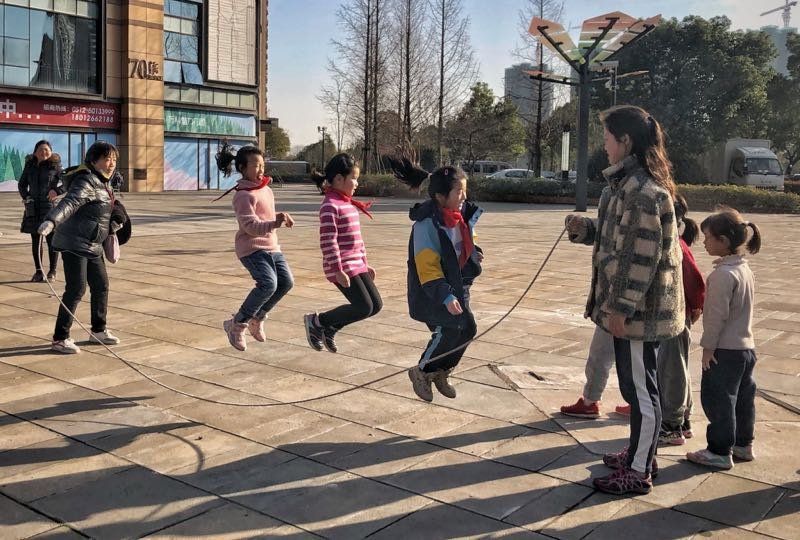
When many parents think about Physical Education, they often remember traditional games like dodgeball or running laps. While those activities were once common, today’s PE programs focus on something much bigger: helping students build confidence, skills, and a positive relationship with movement.
Modern Physical Education is designed to support the whole child. It’s not just about who runs the fastest or throws the farthest. It’s about giving every student the chance to feel successful and capable.
A Focus on Skill Development
In elementary PE, we break movements down into basic skills. These include throwing, catching, balancing, jumping, striking, and changing direction safely. Instead of putting students directly into competitive games, we teach them how to perform these movements correctly and confidently first.
For example, before students play a team sport, they practice:
- Proper throwing form
- Safe catching techniques
- How to move in shared space
- How to control speed and direction
This step-by-step approach helps prevent frustration. When children understand the fundamentals, they feel more prepared and willing to participate.
Creating a Safe and Supportive Environment
One of the biggest goals in PE is making sure students feel safe—physically and emotionally. Not every child feels comfortable in competitive situations. That’s why many activities are structured around cooperation rather than elimination.
Instead of games where students sit out after getting “out,” we use activities that keep everyone moving. When children stay involved, they stay engaged. They also get more practice and more opportunities to improve.
Encouragement is a big part of class culture. Students are reminded that effort matters more than perfection. Trying again after a mistake is celebrated. This mindset helps children develop resilience that carries into the classroom and beyond.
Building Healthy Habits Early
Physical Education also teaches children why movement matters. We talk about how exercise strengthens the heart, builds muscles, improves mood, and increases energy. Students begin to understand that staying active is important not just in school but throughout life.
Lessons often include short discussions about:
- The importance of warming up
- Drinking water and staying hydrated
- Making healthy choices
- Listening to your body
These conversations are simple, age-appropriate, and practical. The goal is to help students connect movement with overall well-being.
Encouraging Social Growth
PE naturally creates opportunities for social development. Students work in pairs, small groups, and teams. They practice sharing equipment, taking turns, and communicating clearly.
They also learn how to:
- Win with good sportsmanship
- Lose respectfully
- Solve small conflicts
- Support classmates
These skills are just as important as physical ones.
Every Child Has a Place
One of the most important parts of today’s PE program is inclusion. Activities are modified so students of different abilities can participate successfully. Equipment may be adjusted, distances shortened, or rules simplified to ensure everyone can take part.
When children feel included, they are more likely to enjoy being active. That positive experience can shape their attitude toward fitness for years to come.
More Than Just Gym Class
Physical education today is thoughtful, structured, and student-centered. It builds strength, coordination, teamwork, and confidence. Most importantly, it helps children see movement as something positive and enjoyable.
When students leave PE smiling, feeling proud of what they accomplished, that’s success. And that’s what modern physical education is truly about.