 My 2026 Conference and Free webinars!
 How Parachute Games Make Physical Education More Active and Exciting
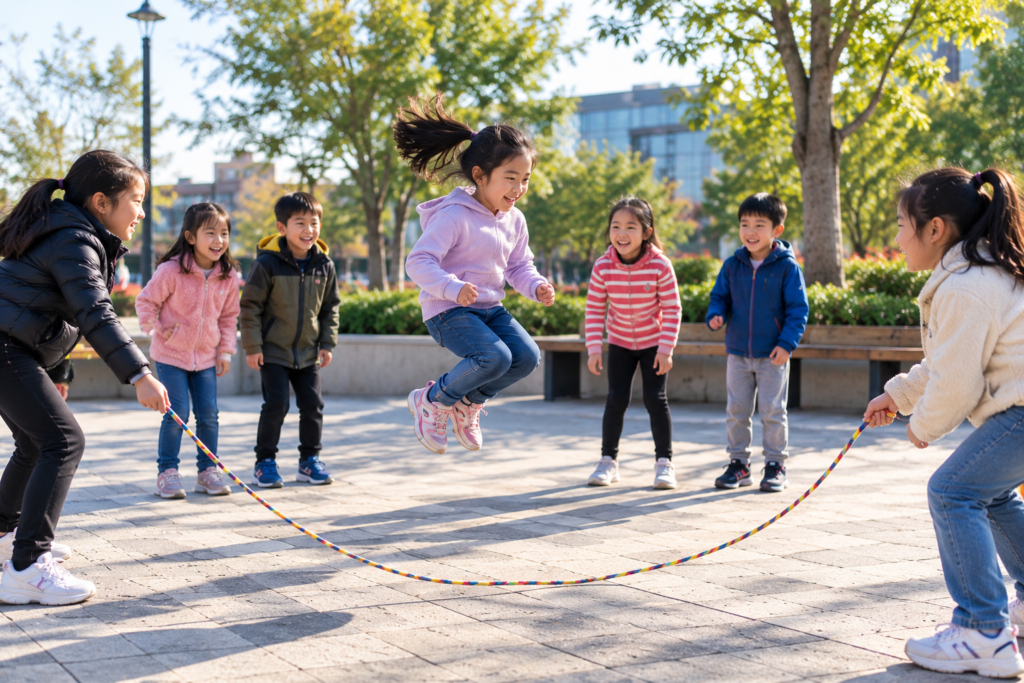
Physical education should be more than simply running drills or repeating the same activities every week. When students have opportunities to move, cooperate, laugh, and participate in creative activities, PE can become a positive experience that encourages confidence and engagement. Parachute games are one practical way to bring more energy and excitement into physical education while helping students develop important movement and social skills.
For educators like Carrie Flint, creating meaningful and enjoyable movement experiences is an important part of helping children develop a positive relationship with physical activity. Parachute activities provide teachers with a flexible way to get students moving together while keeping the class active and involved.
What Makes Parachute Games So Engaging?
A parachute immediately creates curiosity. Its size, movement, and colorful design can encourage students to participate as soon as it is introduced. Instead of focusing only on individual performance, many parachute activities involve the entire group.
Students may need to lift, lower, pull, move around, change positions, or respond to directions. This means that even a simple parachute activity can involve multiple types of movement while keeping students focused on what is happening around them.
The shared nature of the activity can also make PE feel less intimidating for students who may not enjoy traditional competitive games.
Getting Every Student Moving
One of the most useful benefits of parachute games is their ability to keep a group physically involved. Rather than having students wait on the sidelines for their turn, many activities allow the whole class to participate at the same time.
Teachers can create simple movement challenges such as:
- Raising and lowering the parachute
- Walking or moving around the parachute
- Changing directions on a signal
- Performing different movements while holding the parachute
- Responding to music or teacher cues
- Working together to create different parachute movements
These activities can be adapted according to the age, ability, and needs of the students.
Building Teamwork Through Movement
Parachute games naturally encourage cooperation. Students have to pay attention to their classmates and work together to control the movement of the parachute.
If one student pulls too hard or moves differently from the group, the activity may not work as intended. This creates an opportunity for teachers to introduce simple lessons about cooperation, listening, communication, and shared responsibility.
Instead of emphasizing who wins or loses, teachers can focus on questions such as:
- How can we move together?
- What happens when everyone follows the same cue?
- How can we help our group succeed?
- What can we do when something does not work?
These small moments can turn a fun PE activity into a valuable learning experience.
Parachute Games and Inclusive Physical Education
Creating an inclusive PE environment means giving students opportunities to participate in ways that work for their individual abilities and needs. Parachute activities can be adapted to provide different levels of movement and participation.
Teachers can adjust the speed, movement patterns, instructions, space, and expectations to make an activity more accessible. Students can also be given different roles depending on the activity.
This flexibility supports the goal of creating positive PE experiences where students feel that they belong and can contribute.
Adding Music to Parachute Activities
Music can make parachute games even more dynamic. Carrie Flint’s work emphasizes the purposeful use of music and movement in physical education, and parachute activities can provide an excellent opportunity to connect the two.
For example, teachers can use music to signal when students should:
- Start moving
- Change their movement
- Slow down
- Freeze
- Switch directions
- Prepare for the next activity
Using music intentionally can also help reduce downtime and give students a clear structure to follow.
Rather than playing music simply as background noise, teachers can connect musical cues directly to movement and classroom routines.
Supporting Classroom Management
Fun does not have to mean a lack of structure. In fact, parachute games can be organized around clear instructions, signals, and routines.
Before starting an activity, teachers can explain expectations for holding the parachute, moving safely, listening for signals, and responding to changes. Once students understand the routine, the teacher can use consistent cues to transition between activities.
This approach connects physical activity with classroom management. Students are not only learning movement skills; they are also practicing listening, self-control, cooperation, and following directions.
Making PE About Positive Experiences
A successful PE class is not only about how much activity students complete. It is also about how students feel while participating.
Parachute games can create opportunities for students to experience:
- Joy through movement
- Confidence through participation
- Connection through teamwork
- Creativity through different movement ideas
- Success through achievable challenges
Simple Ways Teachers Can Keep Parachute Games Fresh
Teachers do not need complicated equipment or elaborate lesson plans to make parachute activities interesting. A familiar activity can become new simply by changing the movement, music, instructions, or challenge.
Try introducing variations such as:
Movement challenges: Ask students to explore different ways to move while working with the parachute.
Freeze cues: Use music or verbal signals to have students stop and hold a position.
Group challenges: Give students a shared goal that requires cooperation.
Rhythm activities: Match parachute movements to a beat or musical pattern.
Creative movement: Let students suggest safe movements that the group can try together.
These variations can help prevent activities from becoming repetitive while maintaining a familiar structure.
Bringing More Energy and Purpose to Physical Education
Parachute games demonstrate how physical education can combine movement, creativity, music, cooperation, and classroom management in one activity. They can give teachers a simple tool for creating energetic lessons while providing students with opportunities to participate and work together.
The most important goal is not simply to make PE louder or more exciting. It is to create purposeful movement experiences that help students build skills, confidence, connection, and a positive attitude toward physical activity.
Through practical strategies such as parachute games, music and movement, guided play, and inclusive activities, educators can continue creating PE environments where students are active, engaged, and ready to learn.