 My 2026 Conference and Free webinars!
 Mastering Classroom Management and Understanding IEPs in PE
Physical Education is one of the most dynamic—and challenging—environments in any school. With large groups, constant movement, and diverse student needs, success in PE depends on two critical elements: strong classroom management and a clear understanding of Individualized Education Programs (IEPs).
Educators like Carrie Flint focus on providing practical, real-world strategies that help teachers create structured, inclusive, and engaging PE classes. When classroom management and IEP awareness work together, every student has the opportunity to succeed.
Why Classroom Management Matters in PE
In a Physical Education setting, classroom management looks different from a traditional classroom. Teachers are often working in:
- Large, open spaces
- High-energy environments
- Fast-paced, movement-based lessons
Without strong management strategies, even the best lesson can quickly become unorganized.
Carrie Flint emphasizes that effective PE teaching starts with:
- Clear expectations
- Consistent routines
- Simple, structured activities
When students understand what to do and how to do it, behavior improves—and learning increases.
Building a Structured PE Environment
A well-managed PE class is not about control—it’s about creating structure that supports success.
Teachers can improve classroom management by:
- Using clear start-and-stop signals
- Establishing predictable routines
- Keeping instructions short and simple
- Maximizing active participation
These strategies reduce confusion and help students stay focused.
One of the key principles in Carrie Flint’s approach is minimizing downtime. When students are engaged and moving, behavior issues naturally decrease.
Understanding IEPs in Physical Education
An Individualized Education Program (IEP) outlines the specific learning needs and goals for students with disabilities. In PE, this means ensuring that every student has access to meaningful participation.
Understanding IEPs helps teachers:
- Adapt activities to meet individual needs
- Provide appropriate support and modifications
- Create an inclusive learning environment
In Physical Education, inclusion is not about doing the same activity in the same way—it’s about ensuring that every student can participate successfully.
Practical Ways to Support Students with IEPs
Supporting students with IEPs doesn’t have to be complicated. Small adjustments can make a big difference.
Some simple strategies include:
- Modifying equipment (lighter balls, larger targets)
- Adjusting rules or expectations
- Offering different levels of difficulty
- Providing visual or verbal cues
Carrie Flint’s teaching philosophy focuses on “doable” strategies—approaches that teachers can implement immediately without adding stress.
Connecting Classroom Management and IEP Success
Classroom management and IEP support are closely connected.
A structured environment:
- Helps students with IEPs feel safe and supported
- Reduces anxiety and confusion
- Encourages participation
When expectations are clear, and routines are consistent, all students—especially those with additional needs—are more likely to succeed.
Inclusive PE is not a separate program—it’s part of effective teaching for every student.
Creating an Inclusive and Positive PE Experience
Physical Education should be a place where students:
- Feel confident
- Stay active
- Experience success
Carrie Flint emphasizes teaching the whole child—mind, body, and spirit. This means creating lessons that are:
- Inclusive
- Engaging
- Supportive
When students feel successful, they are more likely to participate, improve, and develop a positive attitude toward physical activity.
Real-World Application: Sharing These Strategies
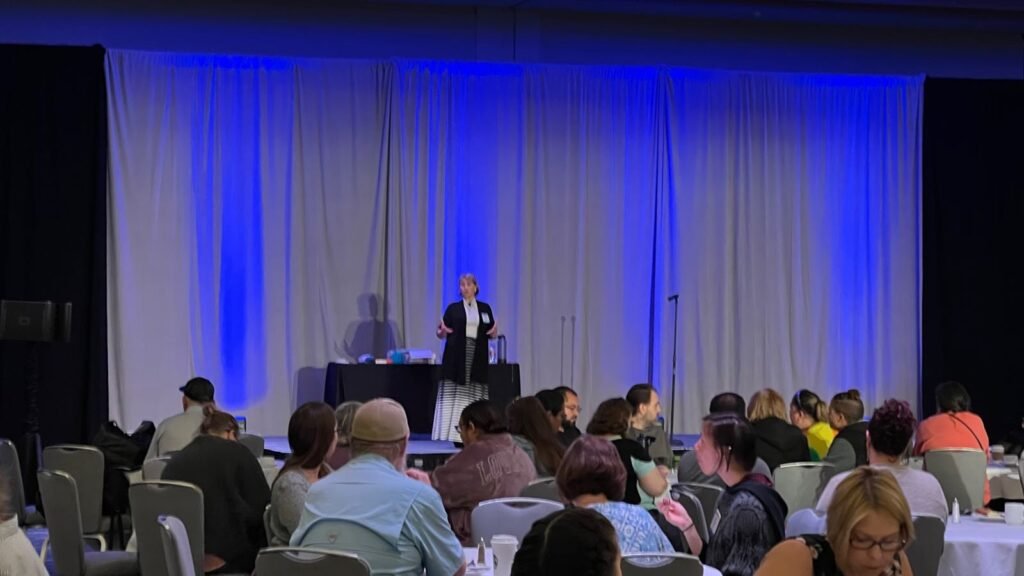
These strategies are not just theory—they are being shared with educators through professional development and conferences.
As part of upcoming sessions, Carrie Flint will be presenting:
- Her classroom management strategies for PE
- What teachers need to know about IEPs
These presentations focus on giving teachers practical tools they can use immediately to create more effective and inclusive PE classes.
The Bottom Line
Mastering classroom management and understanding IEPs are essential for success in Physical Education.
When teachers:
- Create structured environments
- Use simple, effective strategies
- Support diverse student needs
They build PE programs where every student can participate, learn, and feel confident.
As highlighted by Carrie Flint, the goal of Physical Education is not just movement—it’s helping every student experience success and develop a lifelong love for being active.