 My 2026 Conference and Free webinars!
 Musical Physical Educator Strategies for Better Classroom Management in PE
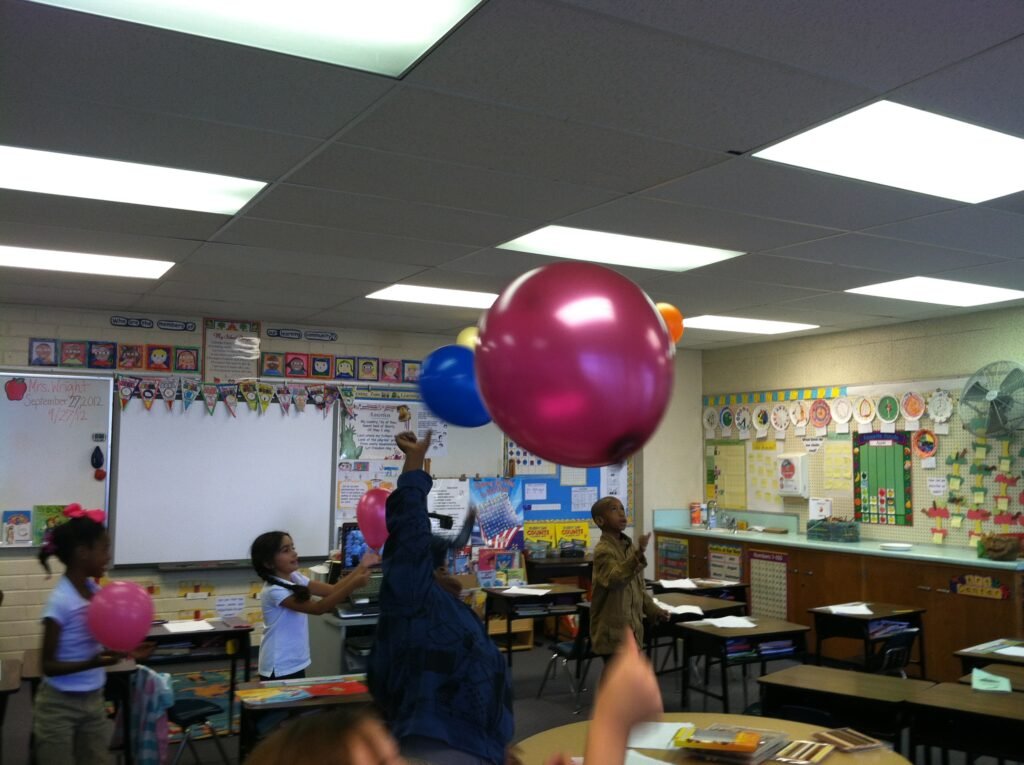
Managing a physical education class can be one of the biggest challenges teachers face. PE environments are naturally active, energetic, and constantly moving. But according to Carrie Flint, successful classroom management in PE doesn’t come from being louder—it comes from being more intentional.
As a musical physical educator, Carrie Flint emphasizes using music, rhythm, movement, and purposeful teaching strategies to create PE classes that are structured, engaging, and inclusive. Her approach combines movement and music to improve behavior, increase participation, and support positive learning experiences for all students.
Why Music Works in Physical Education
Students naturally respond to rhythm and movement. Music captures attention, creates structure, and helps students stay engaged throughout a lesson.
Research on music in PE shows that students often respond more positively to music cues than to constant whistles or raised voices. Music can improve:
- Student focus
- Transition time
- Participation
- Classroom climate
- Overall behavior in PE settings
Carrie Flint’s “Mindfully Using Music in Physical Education” approach focuses on using music intentionally—not simply as background noise but as a classroom management tool that supports movement and learning.
Using Music as a Management Tool
One of the simplest musical physical educator strategies is using music to create clear expectations.
For example:
- Music ON = Students move and participate
- Music OFF = Students freeze, stop, and listen
This structure reduces the need for repeated verbal corrections and helps students respond quickly to transitions.
Music can also:
- Signal activity changes
- Establish routines
- Control lesson pacing
- Reduce downtime and distractions
Studies on PE classroom environments found that music helps teachers maintain smoother transitions while keeping students engaged and motivated.
Matching Music to the Activity
A musical physical educator understands that not all music serves the same purpose.
Carrie Flint encourages teachers to intentionally match music with movement activities:
- Fast-paced music for cardio and active games
- Steady rhythms for skill development and coordination
- Calm music for stretching and cool-downs
Teachers attending Carrie Flint’s seminars often mention how effective music can be when it “fits the motion” of the activity.
When music aligns with movement, students:
- Stay focused longer
- Move with better control
- Feel more motivated to participate
Classroom Management Through Engagement
One of Carrie Flint’s core teaching philosophies is that engaged students are easier to manage.
Behavior problems often happen when students:
- Wait in long lines
- Sit out activities
- Feel unsuccessful or disconnected
That’s why her strategies focus on:
- Keeping all students active
- Using cooperative activities
- Minimizing elimination games
- Creating positive PE experiences for every child
Music helps support this by maintaining energy and participation throughout the lesson.
Creating Inclusive PE Environments
As a musical physical educator and adapted physical education specialist, Carrie Flint strongly emphasizes inclusion.
Her teaching strategies encourage:
- Participation for all skill levels
- Positive play instead of negative competition
- Cooperative movement activities
- Growth mindset teaching practices
Music can make activities feel less intimidating and more welcoming for students who may struggle with traditional sports or competitive games.
Simple rhythm-based movement activities allow students to:
- Experience success
- Build confidence
- Participate without fear of failure
This creates a PE environment where every student feels valued and included.
Teaching the Whole Child Through Music and Movement
Carrie Flint’s philosophy goes beyond fitness alone. She believes physical education supports the mind, body, and spirit of every child.
Music and movement together can help students:
- Improve focus and learning readiness
- Build coordination and motor skills
- Reduce stress and anxiety
- Develop confidence and social skills
As highlighted in Carrie Flint’s presentations and writings, movement is deeply connected to cognitive and emotional development.
This is why intentional music use is not just about entertainment—it’s about creating meaningful learning experiences.
Practical Musical Physical Educator Strategies You Can Use Tomorrow
Teachers do not need expensive equipment or complicated programs to start using music effectively in PE.
Simple strategies include:
- Freeze dance for listening and self-control
- Rhythm clapping patterns for attention signals
- Transition songs between stations
- Beat-based movement warm-ups
- Music-guided stretching and cool-downs
Carrie Flint’s professional development sessions are known for providing “practical ideas that can be immediately incorporated” into PE programs.
Why These Strategies Matter More Than Ever
Today’s students need opportunities to:
- Move more
- Connect socially
- Build confidence
- Experience positive physical activity
A musical physical educator approach helps teachers create PE classes that are:
- Structured
- Inclusive
- Active
- Positive
- Student-centered
When music is used intentionally, it transforms the PE environment from chaotic to purposeful.
The Bottom Line
Being a musical physical educator is about more than adding songs to a lesson. It’s about using music strategically to improve classroom management, increase engagement, and support every student’s success.
Through practical teaching strategies, positive play, and intentional movement experiences, Carrie Flint continues to help PE teachers create programs where students feel confident, included, and excited to move.