 My 2026 Conference and Free webinars!
 Using Music with Purpose in PE: Simple Strategies for Classroom Management Success
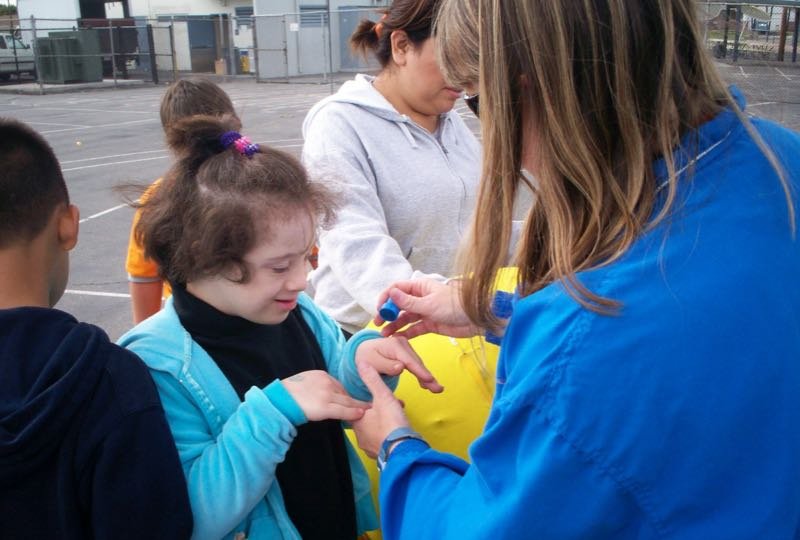
Physical education classes are full of movement, energy, and excitement—but without structure, that energy can quickly turn into chaos. One of the most effective ways to guide that energy is by using music with purpose.
When music is used intentionally, it becomes more than just background noise. It becomes a powerful teaching and classroom management tool that helps students stay focused, engaged, and successful.
Educators like Carrie Flint emphasize practical, easy-to-use strategies that help teachers create structured, positive PE environments. One of those key strategies is mindfully using music to support teaching and behavior.
Why Purposeful Music Matters in PE
Students naturally respond to rhythm. Music captures attention, sets the tone, and provides a clear structure for movement.
When used with intention, music can:
- Guide the pace of activities
- Signal transitions
- Improve listening skills
- Increase student engagement
Instead of constantly repeating verbal directions, teachers can use music as a non-verbal management tool that students quickly learn to follow.
This aligns with Carrie Flint’s approach of creating PE lessons that are structured, engaging, and easy to implement.
Music as a Classroom Management Tool
Classroom management in PE is not about controlling students—it’s about directing their energy in productive ways.
Music helps create that structure by providing clear cues:
- Music ON → Students move
- Music OFF → Students stop, freeze, and listen
This simple strategy reduces noise, increases responsiveness, and helps teachers regain attention quickly—without raising their voice.
When students understand these expectations, transitions become smoother, and behavior improves naturally.
Matching Music to Movement
One of the most important strategies is choosing music that matches the activity.
For example:
- Fast-paced music → Running, jumping, cardio activities
- Steady beat → Skill practice (dribbling, stepping, coordination)
- Slow, calm music → Stretching, balance, cool-down
This intentional pairing helps students:
- Move with better control
- Understand the purpose of the activity
- Stay engaged throughout the lesson
It also reinforces learning by connecting movement with rhythm.
Creating Predictable Routines with Music
Students thrive in environments where they know what to expect. Music can help build consistent routines that support classroom management.
Simple routines might include:
- A warm-up song at the start of every class
- Transition music between activities
- A cool-down song to end the lesson
These routines reduce confusion and help students move smoothly from one activity to the next.
Carrie Flint’s teaching philosophy highlights the importance of clear structure and consistency, and music is one of the easiest ways to achieve that.
Reducing Downtime and Increasing Engagement
One of the biggest causes of behavior issues in PE is downtime—when students are waiting, standing, or unsure of what to do next.
Music helps eliminate these gaps by:
- Keeping activities flowing
- Maintaining energy levels
- Encouraging continuous movement
When students are actively engaged, they are less likely to become distracted or disruptive.
This reflects Carrie Flint’s focus on maximizing movement and participation for all students.
Supporting All Learners Through Music
Every student learns differently. Some respond best to visual cues, others to verbal instructions—and many to auditory and movement-based learning.
Music supports:
- Auditory learners through rhythm and sound
- Kinesthetic learners through movement
- Students who need structure and repetition
By combining music with movement, teachers create an inclusive environment where more students can succeed.
Real-World Application: Colorado Summer Summit
These strategies are not just theory—they are being shared with educators in real classrooms.
At the Colorado Summer Summit in Aurora on June 3rd and 4th, Carrie Flint will be presenting sessions on:
- Mindfully using music in PE
- Intentional teaching strategies
- Effective classroom management
These sessions focus on giving teachers practical tools they can use immediately to improve engagement and create more structured, successful PE classes.
Simple Music Strategies You Can Use Tomorrow
You don’t need special equipment or complicated plans to get started. Try these simple ideas:
- Freeze Dance: Students move to music and freeze when it stops
- Clap and Echo: Use rhythm patterns to regain attention
- Beat-Based Movement: Match steps, jumps, or stretches to the rhythm
- Transition Songs: Use short clips to signal movement between activities
These small changes can make a big impact on both engagement and behavior.
The Bottom Line
Using music with purpose in PE is one of the simplest and most effective ways to improve classroom management.
When used intentionally, music helps:
- Create structure
- Guide movement
- Increase engagement
- Support all learners
As emphasized by Carrie Flint, successful physical education programs are built on practical strategies that work in real classrooms.
And sometimes, the key to better classroom management isn’t saying more—it’s letting the music lead.