 My 2026 Conference and Free webinars!
 Mindfully Using Music in Physical Education
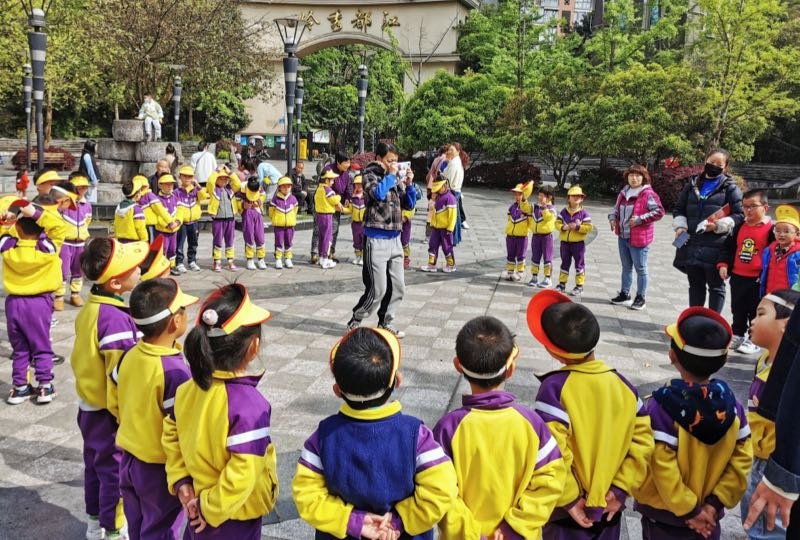
Music has always been a powerful tool for engaging students, but when used mindfully in physical education (PE), it becomes much more than background noise. It can guide movement, support skill development, improve classroom management, and help students connect emotionally and physically with learning.
Educators like Carrie Flint have long emphasized the importance of intentionally integrating music into PE lessons to enhance both student engagement and educational outcomes. Rather than simply playing songs during activities, mindful use of music means selecting music that aligns with lesson goals, movement patterns, and student needs.
Why Music Matters in Physical Education
Music naturally motivates children to move. Rhythm provides cues for pacing, timing, and coordination, which makes physical activities easier and more enjoyable for students.
Research and physical education experts note that movement activities such as dancing, rhythmic exercises, and music-based games help children develop gross motor skills, coordination, and spatial awareness. These skills are essential for building physical literacy and confidence in physical activity.
In addition to physical benefits, music supports:
- Focus and attention
- Listening and direction-following
- Emotional expression
- Positive classroom energy
When students move to music, they are often more enthusiastic and willing to participate in activities that might otherwise feel repetitive or challenging.
Moving Beyond “Background Music”
In effective PE instruction, music should not simply play in the background. Instead, it can serve as a teaching tool that reinforces learning objectives.
Educators who specialize in musical physical education emphasize that music can help structure lessons by:
- Managing activity timing
- Setting the theme of a lesson
- Reinforcing movement cues
- Creating a positive learning environment
When songs are intentionally matched with activities, music can deepen students’ understanding and engagement rather than just making the class more entertaining.
For example:
- A slow rhythm can guide stretching or balance exercises.
- Fast beats can encourage energetic locomotor activities like running or jumping.
- Musical cues can signal transitions between activities.
Supporting Fundamental Movement Skills
Mindfully using music can help students practice essential movement skills in a fun and structured way.
Physical education programs for younger students often include rhythmic activities that help develop:
- Locomotor skills (running, hopping, skipping)
- Non-locomotor skills (bending, twisting, balancing)
- Coordination and rhythm
- Body awareness
These skills form the foundation of lifelong physical activity and are often taught through creative movement and rhythm-based exercises.
For younger learners, especially, music encourages movement exploration while keeping students engaged and active.
Enhancing Classroom Management
Music can also be a powerful classroom management tool in PE settings.
Teachers can use music to:
- Start and stop activities
- Signal transitions
- Set the energy level of the class
- Create predictable routines
For example, a teacher may begin an activity when the music starts and ask students to freeze when the music stops. These cues provide structure and reduce confusion, especially for younger students.
Because music provides clear signals, students learn to respond quickly without constant verbal instructions from the teacher.
Encouraging Creativity and Self-Expression
Physical education should not only focus on fitness and skills but also encourage creativity and self-expression. Music helps students explore different ways of moving their bodies.
Activities that promote creative movement include:
- Designing short dance routines
- Moving like animals or objects
- Responding to changes in rhythm or tempo
- Mirroring partner movements
These activities allow students to develop imagination while strengthening coordination and confidence.
Practical Ways to Use Music in PE
Teachers do not need complicated equipment or elaborate choreography to incorporate music into their lessons. Simple strategies can make a big difference.
Here are a few practical ideas:
1. Warm-Up Songs
Start class with an energetic song that includes stretching or basic movement patterns.
2. Rhythm-Based Skill Practice
Use music while practicing locomotor skills like skipping, galloping, or jumping.
3. Freeze and Focus Games
Play music while students move freely, then have them freeze when the music stops.
4. Skill Cue Songs
Use songs that repeat movement cues such as throwing, catching, or balancing.
5. Cool-Down and Mindfulness
End class with calm music for stretching and breathing exercises.
Creating an Inclusive Environment
Mindful use of music can also help make PE more inclusive. Different genres, tempos, and cultural styles can help students feel represented and connected to the activities.
Music can support students who learn best through auditory and rhythmic cues, making it easier for them to follow instructions and participate fully.
By varying music styles and allowing students to contribute song ideas, teachers can create a learning environment that feels welcoming and engaging for everyone.
The Bottom Line
Music is a powerful teaching tool in physical education when used intentionally. It helps students move with purpose, build essential motor skills, and enjoy physical activity.
When educators use music mindfully—aligning songs with lesson objectives and movement skills—they create dynamic learning experiences that support both physical development and student engagement.
By combining rhythm, movement, and thoughtful instruction, physical education can become an environment where students not only exercise but also learn, explore, and develop a lifelong love for movement.